
Where Time Pauses: The Twelve Nights of Yule and the Return of Light (english original)
There is a time in the turning of the year that does not quite belong to either side.
A pause.
A threshold.
A dark womb between what has been and what is becoming.
Across Celtic, Germanic, Norse, Baltic, and Alpine cultures, this time has been known as the Raunächte, the Sacred Nights, or the Twelve Nights of Yule. These nights were understood as intercalary days — days left unclaimed when calendars shifted from thirteen lunar months to twelve solar months.
They did not belong to ordinary time.
And so, they belonged to the unseen.
When Night Comes First — Mother’s Night (Modraniht)
In old European cosmologies, night comes before day. The night was seen as a womb where the seeds of the day grew before being born. Darkness is not the absence of life — it is the place where life is formed.
The eve of the Winter Solstice was known in Germanic lands as Mother’s Night (Modraniht) — the Night of the Mothers. It was dedicated to the ancestral feminine: the Mothers, Grandmothers, Disir, and the sisters of Fate who weave the threads of time itself.
This is the womb before the turning.
The stillness before birth.
Winter Solstice — When the Sun Stands Still
The word Solstice comes from the Latin solstitium — “the sun standing still.” In Gaelic, Grianstad carries the same meaning.
At this moment, the sun appears to pause at its lowest point on the horizon. A cosmic breath is held. Then — almost imperceptibly — the light begins its return.
This pause before rebirth has been honored for tens of thousands of years. Long before churches, humans gathered around fire, stone, and sky to mark this turning — trusting that light would return.
Not as conquest.
But as promise.
The Returning Light & the Deer Mother
Across ancient Europe, the returning sun was often carried by feminine beings – powerful Goddesses.
Among the Sámi, the sun goddess Beaivi traveled across the winter sky, restoring light and balance. In Baltic lands, Saule, the Latvian sun goddess, journeyed through the heavens to renew the world.
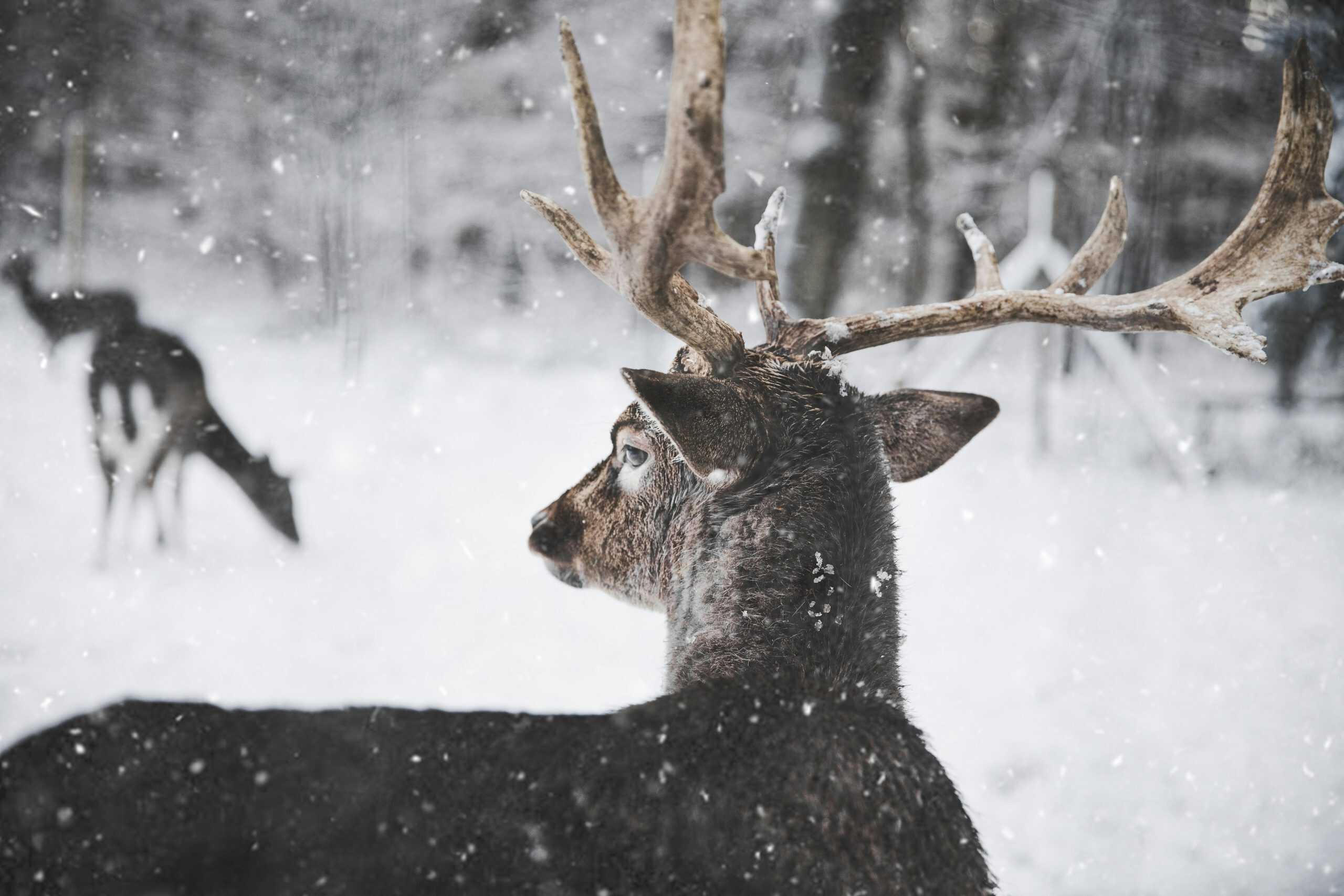
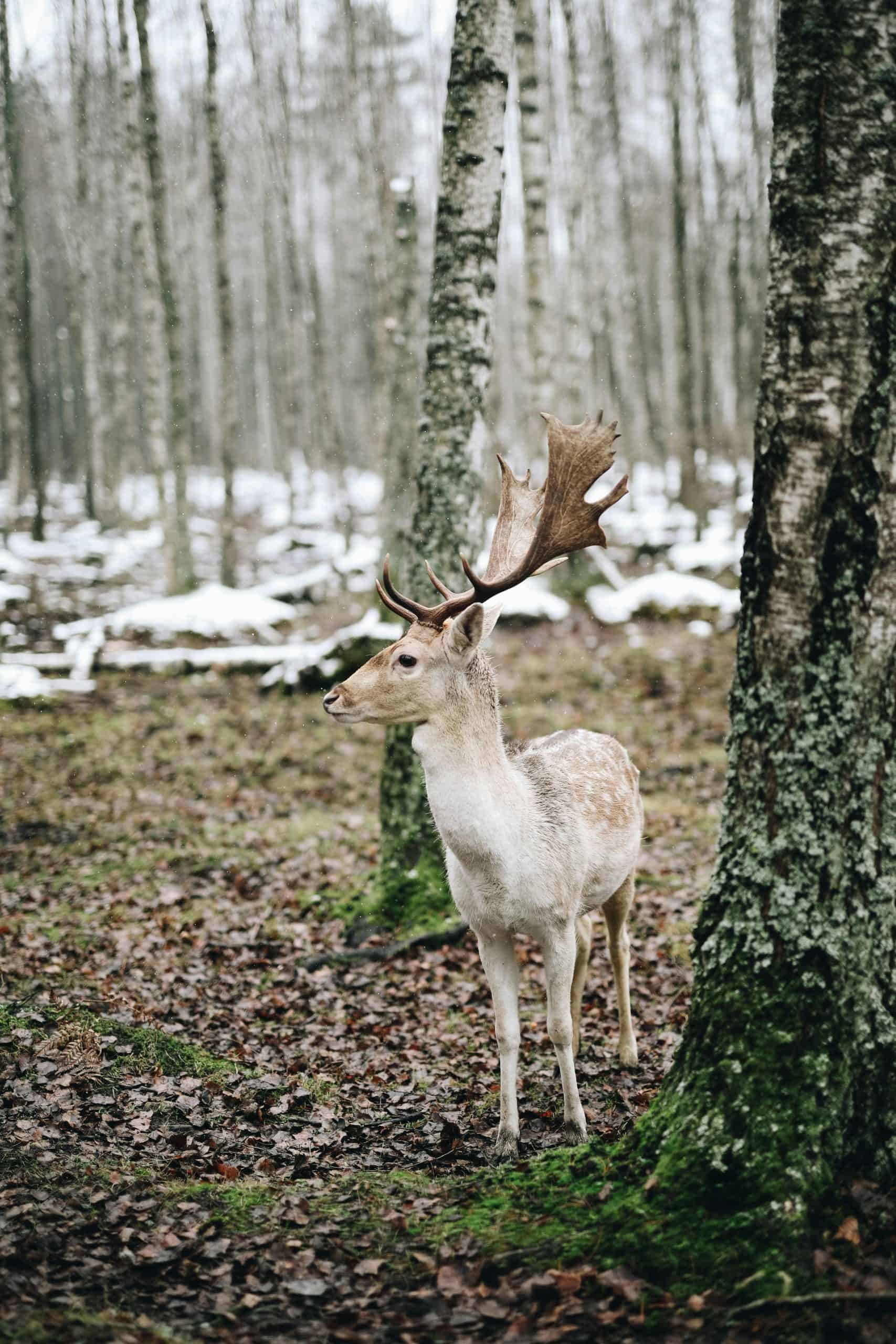
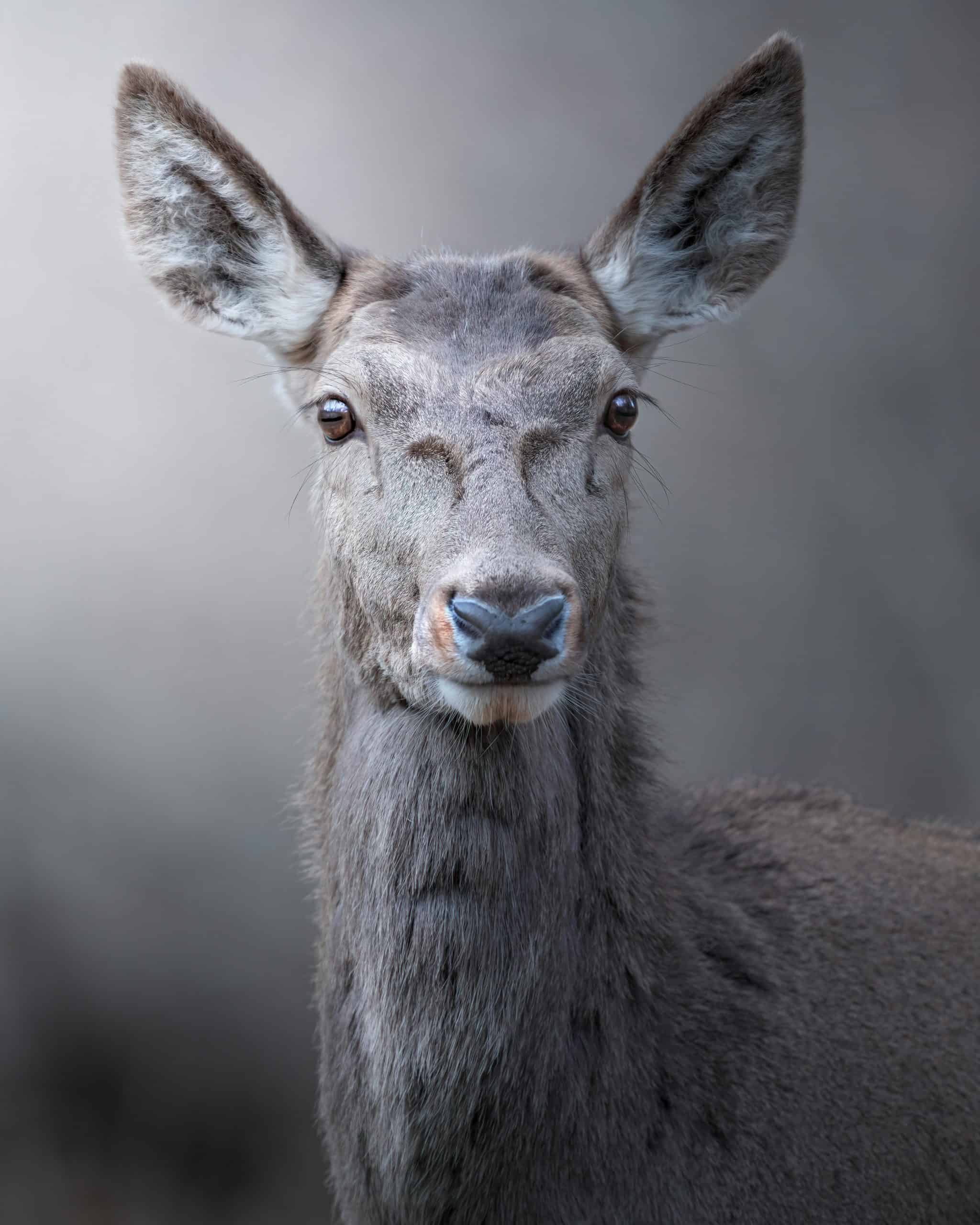
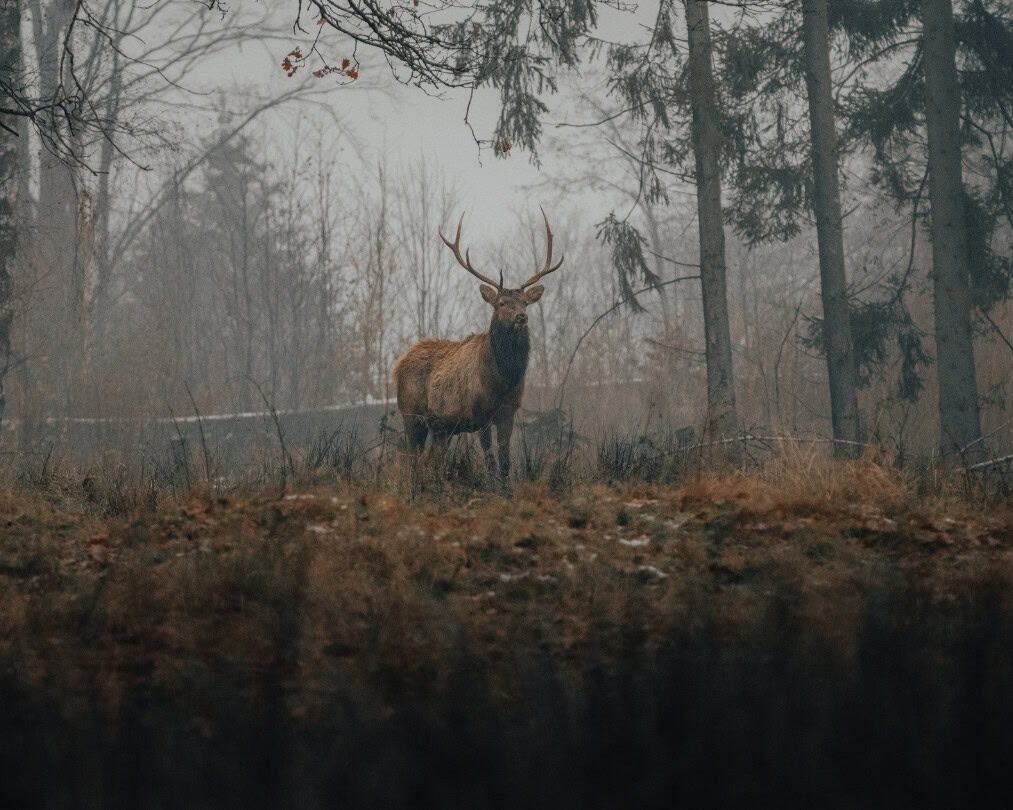
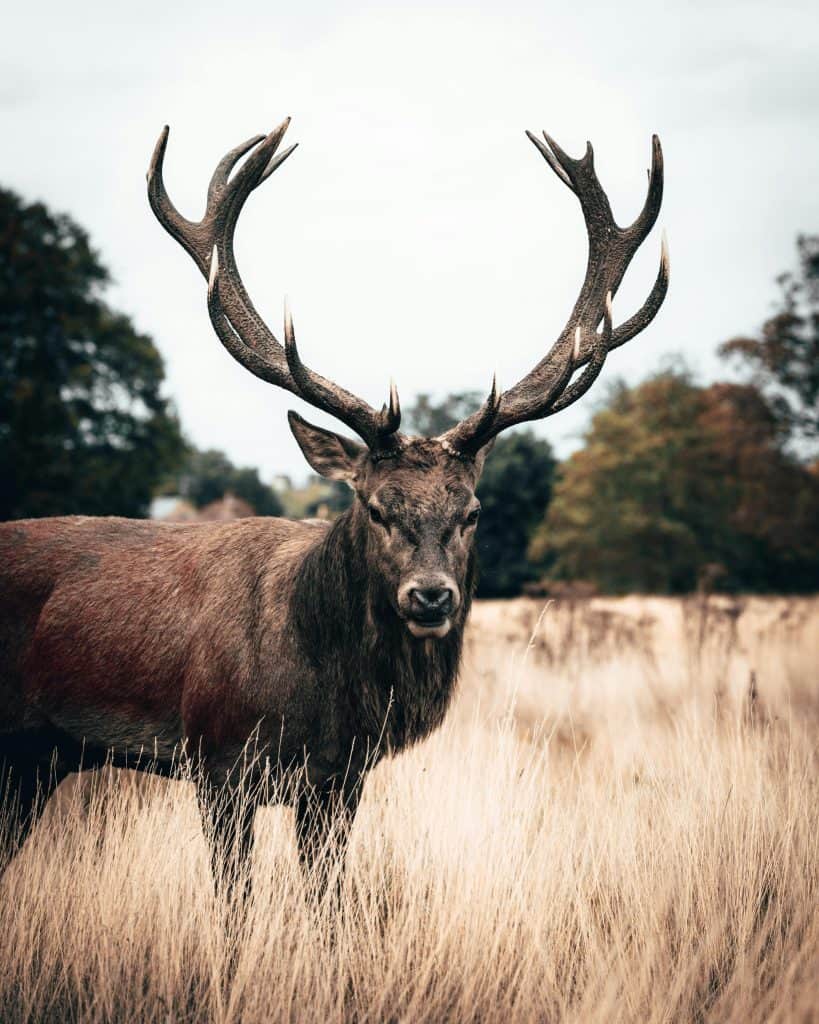
These solar beings were sometimes depicted as reindeer-horned goddesses, or as women moving through the midwinter sky by a sleigh pulled by reindeer — echoes that still shimmer beneath later folklore.
The spiritual work of this season was especially women’s work: tending hearth and dream, listening for what wished to be born.
The Twelve Sacred Nights — Omen Days Beyond Time
The Twelve Sacred Nights, often counted from the Winter Solstice through early January, were understood as omen days.
Each night reflected a month of the coming year. Dreams, encounters, and subtle signs were carefully observed.
The veil between the worlds was thin.
The dream gate stood open.
This was not a time to force intentions —
but to listen.
An Old Ritual of Trust & Co-Creation
One simple practice, remembered across Alpine and Germanic folk traditions, invites us into this older relationship with time:
The Thirteen Intentions Ritual
• Write 13 intentions or desires for the coming year, one on each piece of paper.
• Fold them so the words cannot be seen and place them in a bowl or jar.
• Beginning on the Winter Solstice, draw one paper at random each night and burn it — for 12 consecutive nights.
• You do not decide which intention is released. It is offered to the unseen — to Fate, to the Mothers, to the greater weaving.
• After the Twelve Nights, one paper remains. This is the intention you consciously tend in the year ahead.
This is not manifestation through control —
it is co-creation through trust.
Hospitality for the Unseen
During the Raunächte, homes were treated as living beings.
Floors were swept.
Hearths were cleared.
Houses were purified with smoke — juniper, fir, mugwort, beifüß.
Fire was carried through the house to release what had passed and welcome what was arriving. It was widely known and felt that spirits wander at these times and offerings of food and candlelight (or oil lamps) were given so the spirits would be happy.
Gratitude was spoken aloud. It was believed that how one tended these nights shaped how the entire year would unfold.
Winter as Gestation
Winter was not seen as dead time.
It was a time of gestation.
Seeds rested in the dark earth. Life withdrew inward to be transformed. This season carries the energy of the earth womb — containment, warmth, slow becoming.
Nothing pushes here.
Nothing is rushed.
Dreams, Mugwort & the Night Gate
Because the veil was thin, dreams were taken seriously.
Mugwort — sometimes called dream sage — was placed beneath pillows or sipped as tea to enhance dream recall and lucid dreaming. When made into potent salves it was rubbed on the wrists and face to support prophetic dreams during this time. Dreams were not entertainment.
They were guidance.
Christmas – A Younger Layer Over Older Fires
December 25 became recognized as the birth of Christ in the 4th century, in an attempt to convert older beliefs and practices with newer ones. Yet for many centuries before and after this, the celebration of solstice was still the dominant throughout Europe.
The intimate, home-centered celebration of Christmas Eve and Christmas Day that we currently know only became widespread in the 19th century, after a renewed longing for hearth, family, and meaning in an industrializing world.
The celebration of Advent prepares the inner house for light through its four qualities (and four candles):
• Hope — trusting the return of light
• Peace — resting in the still point
• Joy — the quiet gladness of becoming
• Love — the force that draws light into form
At its heart lives the coming of Light — not only as a child in a manger, but as the Cosmic Christ, the living light of compassion, coherence, and presence entering our homes and families.
A Prayer While Standing Between Worlds
As the Sacred Nights open and the year stands still, the following prayer is offered as a moment of pause — a way to stand consciously between worlds.
Beloved Light,
born of the deep dark,
we call you home.
At the still point of the year,
we stand at the threshold —
one foot in the physical,
one foot in spirit.
Here at the crossroads,
facing the seven directions,
we arrive with open hands:
ready to give,
ready to receive,
ready to be of service.
We lay down what has grown heavy.
We offer what no longer belongs to us.
We choose alignment over urgency,
trust over fear,
love over forgetting.
We ask your blessing upon our families and those we hold dear.
May love move gently among us, healing and reconnecting what has been strained.
Light that remembers the womb of night, enter gently.
Return us to Love.
Guide our steps into what is being born.
May our lives move in rhythm with the great turning.
May we remember how to begin.
May these Sacred Nights be a time of rest, listening, and gentle renewal.
We wish you a deeply nourishing holiday season — filled with peace, hope, quiet joy, and love.
Heart to heart,
Darrel
Want to go deeper? The online course “Soul Dreams & Shadow Catcher” invites you during the Twelve Holy Nights to remember your own magic again – through dreams, rituals, and gentle shadow work. If you feel called to work with this sacred time, this course is a loving next step.
>>> Hier kommst du zur deutschen Übersetzung des Blogs. (Here you can read the German Translation of this Blog.) <<<
Ich möchte immer den neuesten Blog von Darrel per E-Mail erhalten:
*Wenn Sie das Formular absenden, erklären Sie sich damit einverstanden, dass Ihre persönlichen Daten (Name, E-Mail-Adresse) zum Zweck der Zusendung eines E-Mail-Newsletters mit Informationen und Angebote von Darrel Combs ([email protected]) und weitere Themen verwendet werden. Ihre Daten werden ausschließlich zur Versendung des Newsletters verwendet und nicht an Dritte weitergegeben. Sie können Ihre Einwilligung jederzeit schriftlich widerrufen, indem Sie ein E-Mail an ([email protected]) schreiben. In jedem E-Mail-Newsletter findet sich ein Link, mit dem Sie sich ebenfalls abmelden können.