
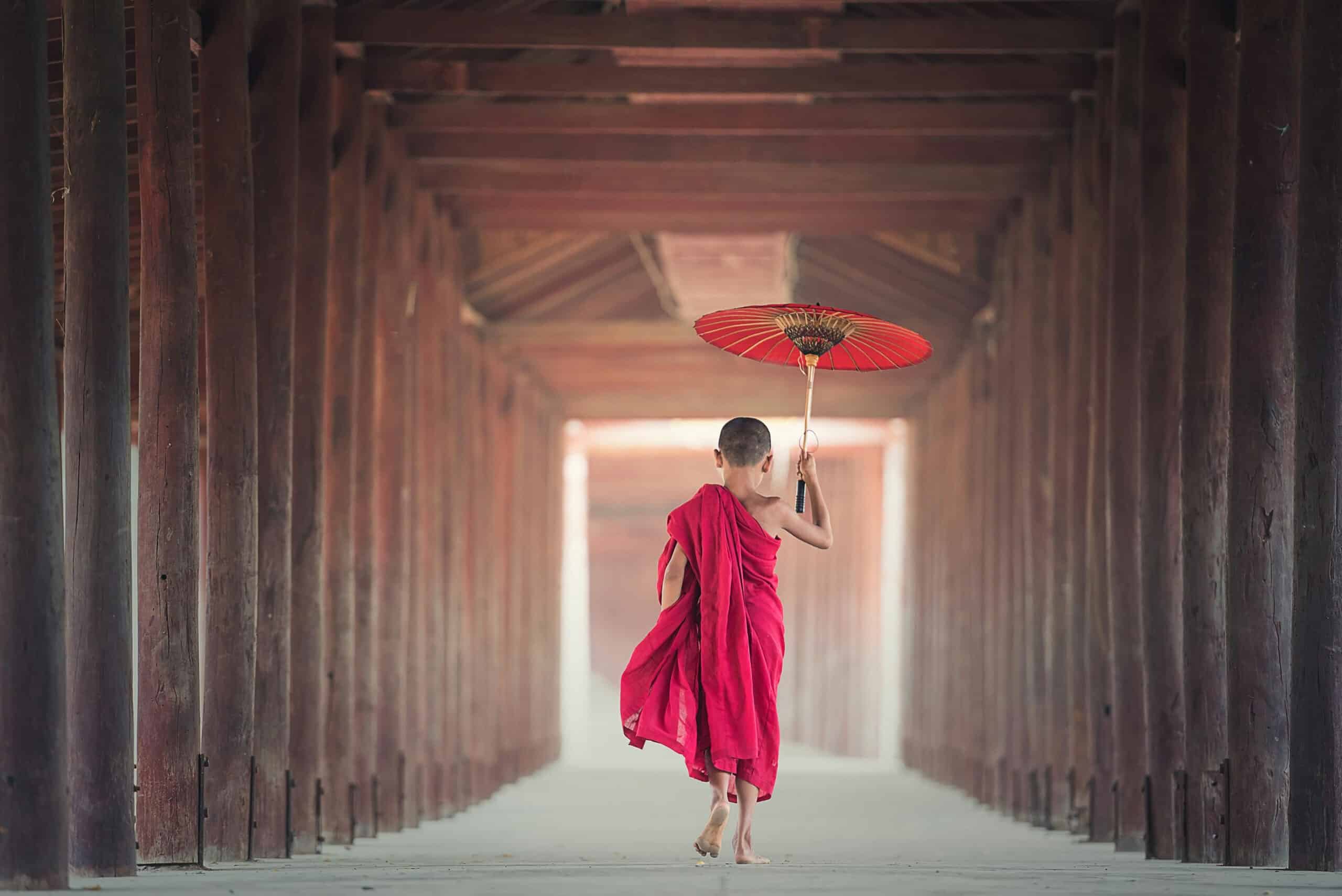
The 4 Pillars of Vision
The stillness of winter is an optimal time to listen deeply within, to reflect on the past, feel the present, and allow the seeds of vision for the future emerge. If you ask most people about “vision,” what shows up first is a to-do list — goals, plans, checkpoints, deadlines, outcomes. Yet anyone who has chased outcomes without grounding them in being knows how exhausting and fleeting it feels. Others get triggered with overwhelm and inner pressure as soon as they hear the word Vision. There is this unspoken expectation to know your life´s MISSION on this planet. Sound familiar? Vision, in its deepest sense, isn’t an object on a to-do list. It is a frequency we learn to live inside.
This distinction is subtle, yet foundational: before we ask what we want — a job, a place to live, a relationship, a creative path — we must ask from what state of consciousness we wish to create. When we begin with state rather than story, we step out of reactionary living and into proactive creation.
In the Hermetic tradition, the mastery of life begins not with external outcomes but with internal states — for “as within, so without.” A vision that doesn’t emerge from aligned being becomes just another checklist, another source of pressure. But when vision arises from a harmonized inner field, it is like a seed that knows the landscape of its own becoming.
Let me offer a story — a mythic image — that may serve as a living metaphor for this shift.
The Garden Between the Paths
Imagine a crossroads that you visit each morning — one path well-worn by urgency, reaction, and survival-mode decisions; the other faint, almost invisible, beckoning you into deeper presence. Between these paths lies a garden, open to anyone who enters, yet unnoticed by most.
This garden has no sign and no boundaries — only a wide stone at its entrance. When you sit on that stone, you feel a softening inside you. The tension in your chest eases. For the first time that day, you can simply be.
This is Peace — the first pillar of vision. Peace isn’t a scorecard or a destination. It is the felt sense that something in you is safe, that your nervous system isn’t on guard. Peace emerges when we allow ourselves to rest without needing, desiring, expecting, doing. Without this ground, vision collapses into control or frantic striving. But from peace, life can draw from you, and you can begin to hear yourself clearly.

Walking further into this garden, you discover a fire — tended not to blaze, but to glow. An elder sits alongside it, feeding it only what it needs. She looks at you and says, “Purpose is not what you do to matter. Purpose is how life moves through you to serve.” In that glow, you feel the subtle difference between meaning and busyness — a direction that arises not from obligation, but from resonance.
This is Purpose, the second pillar. “We find meaning in service,” not in achievement alone. When vision arises from service, it naturally aligns with the world in ways that are generative and wise.
Near the center of the garden, laughter moves like wind through the trees. Children chase light through groves of trees, and the earth underfoot feels soft and alive. Here is Joy — the third pillar. Joy isn’t a reward for spiritual effort, nor is it a luxury. It is the very fuel of life — the vital, playful current that animates creation itself. Without joy, even sacred work becomes weighty and worn.
Finally, at the far edge of the garden, there is a circle where beings rest in easy connection — human, animal, plants and unseen. Here you feel a sense of belonging that doesn’t demand performance. This is Love — the fourth pillar: a mix of self-love, a relational field of love, and a transcendent love. Love is a complex ecosystem of connection that holds us. Love is not sentimental softness but a grounding field — the deep current that steadies the visionary heart.
As you return from this garden to the crossroads of everyday life, something has changed. The worn path of reaction no longer calls with the same gravity. The faint path isn’t distant anymore. Vision — not as an outcome but as a state of being — has become palpable.
Vision born of Peace feels spacious.
Vision born of Purpose feels true.
Vision born of Joy feels alive.
Vision born of Love feels expansive.
“Vision does not come from the mind alone.
Vision emerges when the inner ecosystem is in balance.”
To practice vision without overwhelm, begin here: not with goals, but with states.
Ask yourself:
Where in me is peace alive — and where is it contracted?
How does my life feel when I’m aligned with purpose rather than obligation?
What does joy want to awaken in me?
Where is love present, and where have I closed to it?
When you start here, vision becomes not a project but a field you step into, and your life begins to organize around you like a garden that remembers how to bloom.
Vision and Right Relationship
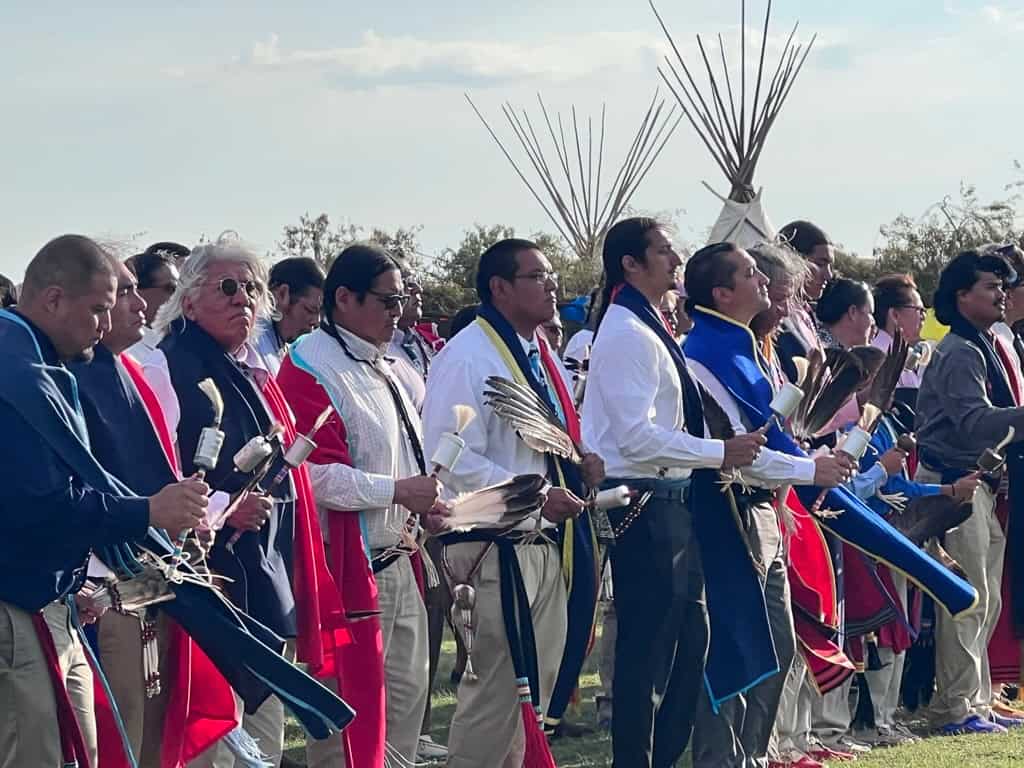
In many Indigenous traditions, vision is never a purely personal act.
It is not something we “manifest” in isolation.
Among the Cherokee, Tohidoo is a living understanding often translated as Right Relationship — a way of being that keeps the individual, the community, the land, the ancestors, and the unseen world in balance. Vision, from this perspective, is not about getting what we want, but about remembering our place within Donalawega, the greater circle, a larger web of life.
A similar understanding exists within Muscogee (Creek) traditions, where life is oriented around balance, reciprocity, and harmony between inner and outer worlds. Health — personal and communal — arises when relationships are tended: with self, with others, with the land, with Spirit, and with time itself.
From this lens, vision is not private ambition.
It is a relational act.
“A vision that breaks relationship will eventually break the visionary.”
This is why the Four Pillars matter so deeply.
Peace restores right relationship within the nervous system — safety inside the body.
Purpose restores right relationship with community and service.
Joy restores right relationship with life force and creativity.
Love restores right relationship with self, others, and the living field that holds us.
When any one of these is missing, imbalance arises — internally and externally.
Inner and Outer Ecosystems
In Indigenous worldviews, the inner world and outer world are never separate. The state of our thoughts, emotions, and bodies mirrors the condition of the land — and vice versa.
A disturbed inner ecosystem tends to create disturbed choices. A regulated, connected inner ecosystem tends to generate choices that sustain life.
This is why vision work that skips embodiment often leads to burnout, disillusionment, or harm — even when intentions are good.
“As we tend the inner ecosystem, the outer world responds.”
Right Relationship asks different questions than modern goal-setting: Is this vision in harmony with my body and nervous system? Does it honor the land and the unseen forces that make it possible? Does it strengthen the web of relationships — or weaken it?
When vision is aligned with Right Relationship, it doesn’t need force. It carries its own integrity.
Vision as a Relational Field
From this perspective, vision is less about choosing a future and more about listening for what wants to emerge through us.
We are not separate creators standing above life.
We are participants within a living system.
“Vision arises when we listen deeply enough to life that it can speak through us.”
This listening requires humility, patience, and presence — qualities that modern culture rarely rewards, but Indigenous traditions have always understood as signs of maturity.
When Peace steadies the body,
when Purpose aligns us with service,
when Joy restores vitality,
and when Love reconnects us to the whole —
vision naturally finds its place within the greater order.
Not imposed.
Not forced.
But in right relationship.
Closing Reflection
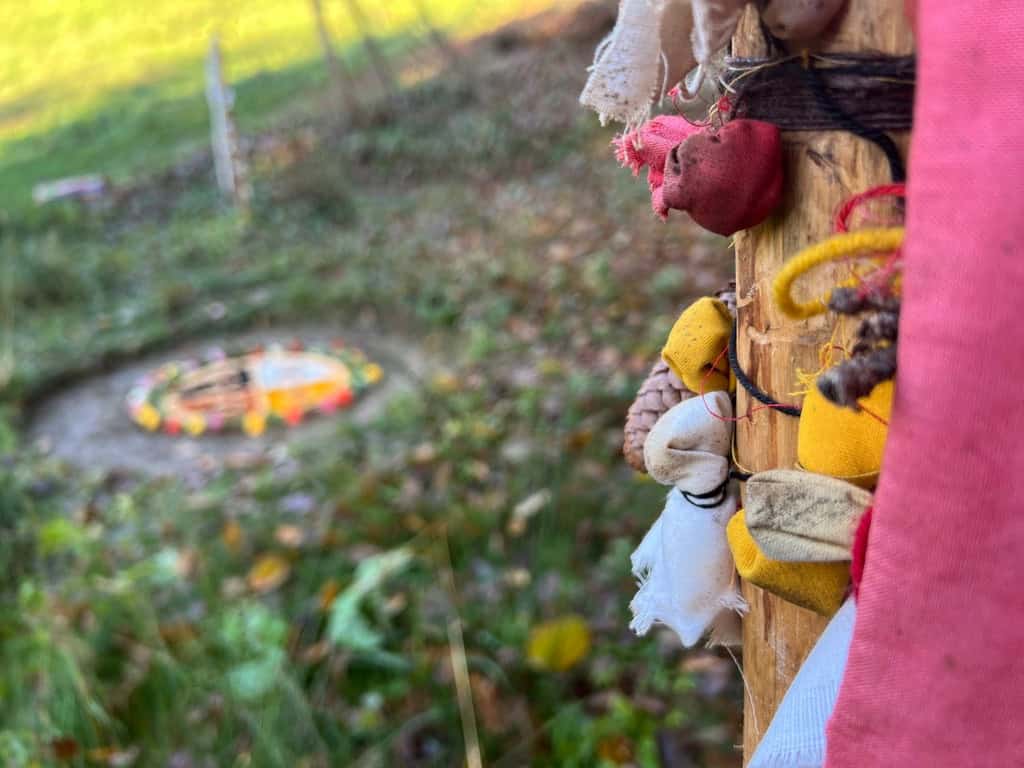
Before asking what you want to create, you might ask questions from the Medicine Wheel:
East: “Who or what am I a part of? What am I thankful for?”
South: “What do I enjoy doing or do well? Where and when do I feel most alive?”
West: “What are my strengths; what limits me?”
North: “What do I have to share or contribute?”
“Vision is not about standing apart from life.
It is about remembering how to belong.”
Heart2heart, Darrel