
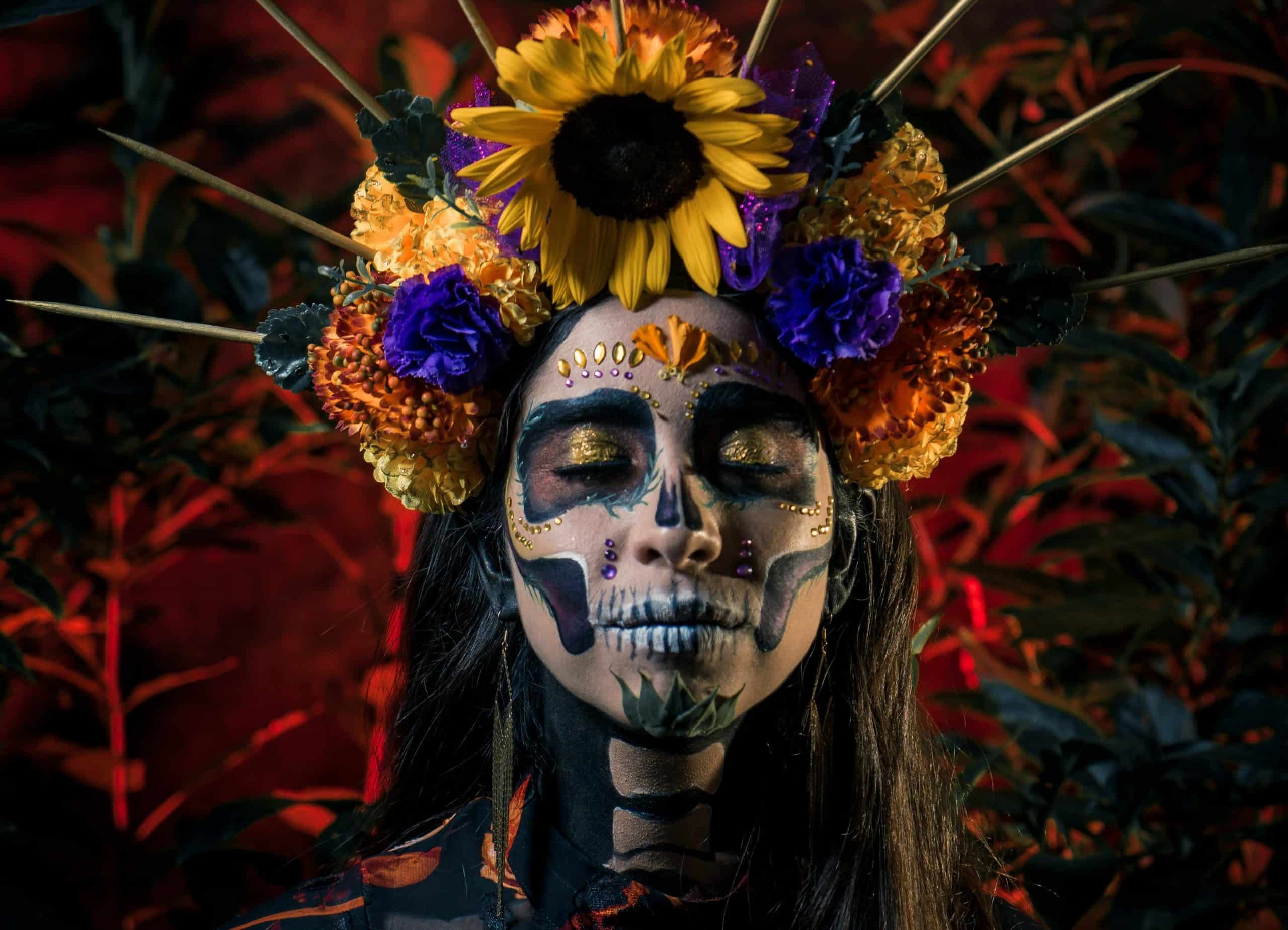
Remembering the Ancestors — Healing the Lineage (english original)
A reflection for the season of remembrance
During this time of year, when so many cultures around the world honor the dead and celebrate the continuity of life, I often return to the question:
Why should we create ancestor rituals now — and how can we do this with integrity and respect?
Our genetic and chosen ancestral lineages influence us in ways we may not consciously understand. Studies on intergenerational trauma have shown that the emotional and survival patterns of our ancestors are not simply “stories of the past” — they live within us, shaping our nervous systems, our relationships, and even our sense of belonging.
In my practice, I’ve witnessed how inherited family trauma can quietly sculpt the way people move through life. Some of us carry core beliefs that are not truly ours — phrases like “Life is a fight,” or “If I stand out, I will be punished.” These ancestral imprints are often expressions of past suffering seeking resolution through us.
But our ancestors are not only carriers of pain — they are also keepers of medicine.
They offer guidance, love, and a sense of rootedness in a world increasingly disconnected from the sacred. When we learn to engage with our ancestors through ritual and prayer, we awaken a current of relationship that can bring deep healing — not only for ourselves, but also for those who came before and those yet to come.
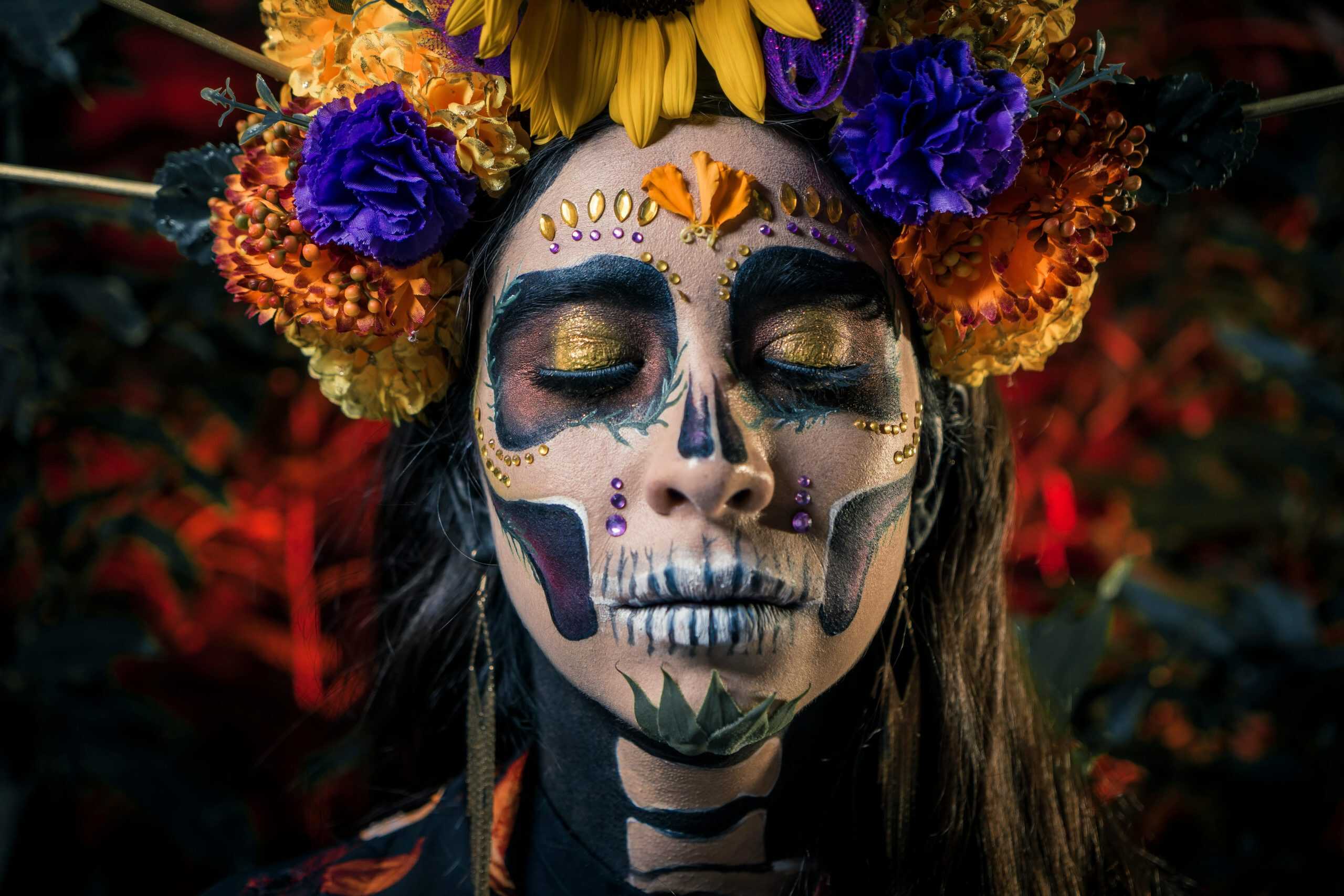
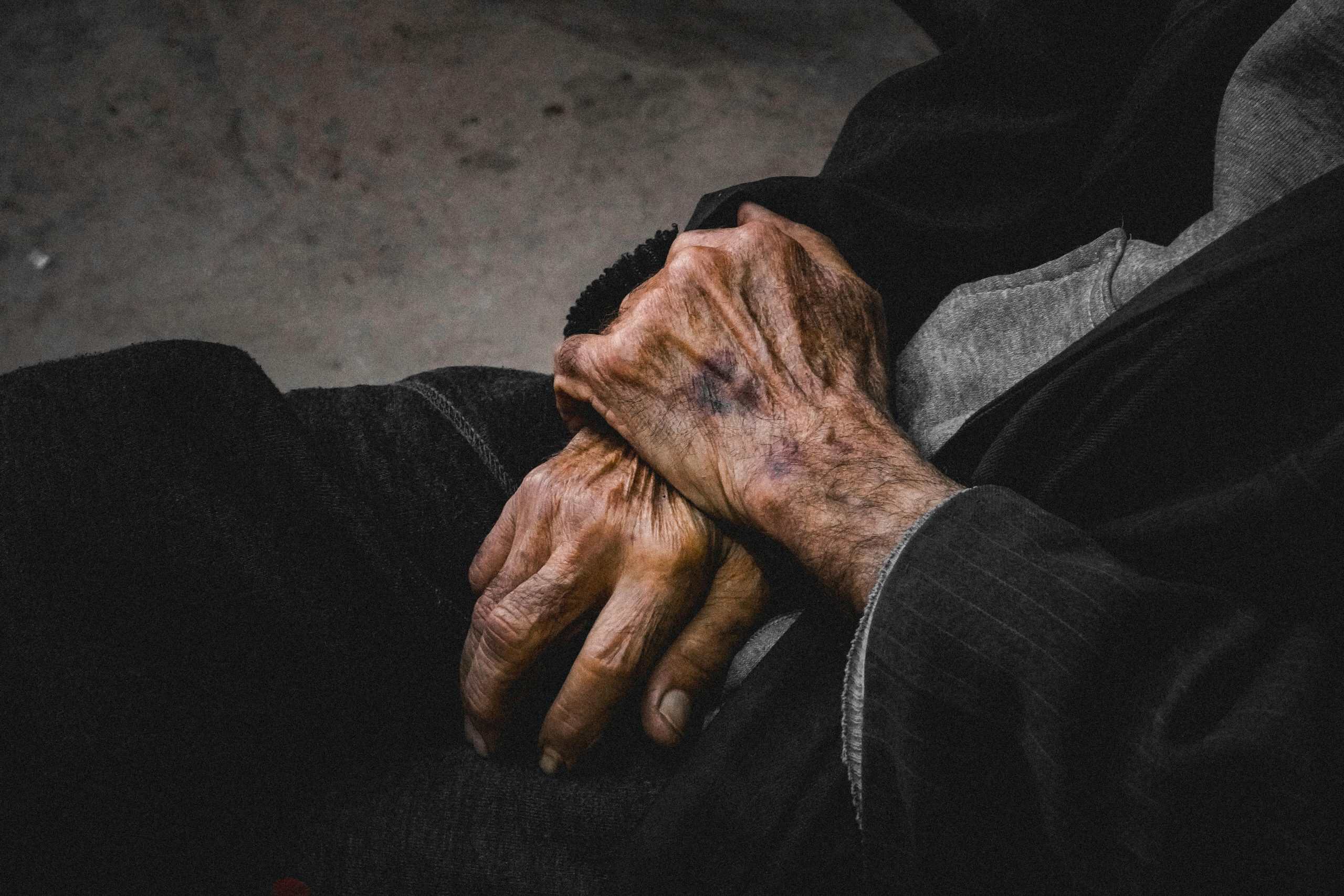

Ancestors as Living Presence
The ancestors of your bloodline, the land you live on, and the lineages of spirit or affinity that call to you — all can become part of your living network of belonging. Sometimes, the land itself holds the memory and trauma of those who once walked upon it. Other times, it offers comfort and renewal through their lingering blessings.
Ask yourself: Where on Earth have I felt the greatest sense of “home”?
Was it connected, perhaps, to the stories, foods, landscapes, or songs of your ancestors?
As you begin to work ritually with the land, these subtle relationships awaken. Celtic, Roman, Jewish, Slavic, and countless other ancestral currents still hum beneath the soil of Europe — each with its own songs of remembrance and restoration.
Remembering Our Own Traditions
Honoring the ancestors is not exclusive to any one people. It is a birthright of humanity.
Across Europe, before Christianity reshaped the landscape, ancestor veneration was woven into daily life:
– In the Celtic world, Samhain marked the thinning of the veil between worlds, a time for honoring the dead and lighting fires to guide them home.
– The Romans celebrated Parentalia and Lemuria, offering food and flowers to household spirits and the deceased.
– In Germanic lands, Disablot honored the female ancestors — the Disir — who guarded the family line.
– In Italy, France, and Spain, All Souls’ and All Saints’ traditions merged with local customs of lighting candles, visiting graves, and preparing favorite foods for the departed.
Our ancestors once knew that tending the dead was essential to the well-being of the living.
Creating Your Own Ancestral Ritual
Here are some gentle, trauma-informed ways to begin:
1. Set a clear intention. Begin with the wish to connect only with loving, wise, and well ancestors. This may include grieving, honoring, or celebrating loved ones who have passed. These kinds of rituals can bring personal healing, guidance, and protection. Later, you can work with ancestors or ancestor lineages that need healing or support.
2. Create sacred space. Choose a quiet place — indoors, outdoors, or at a crossroads. Light a candle, breathe deeply, and open your heart.
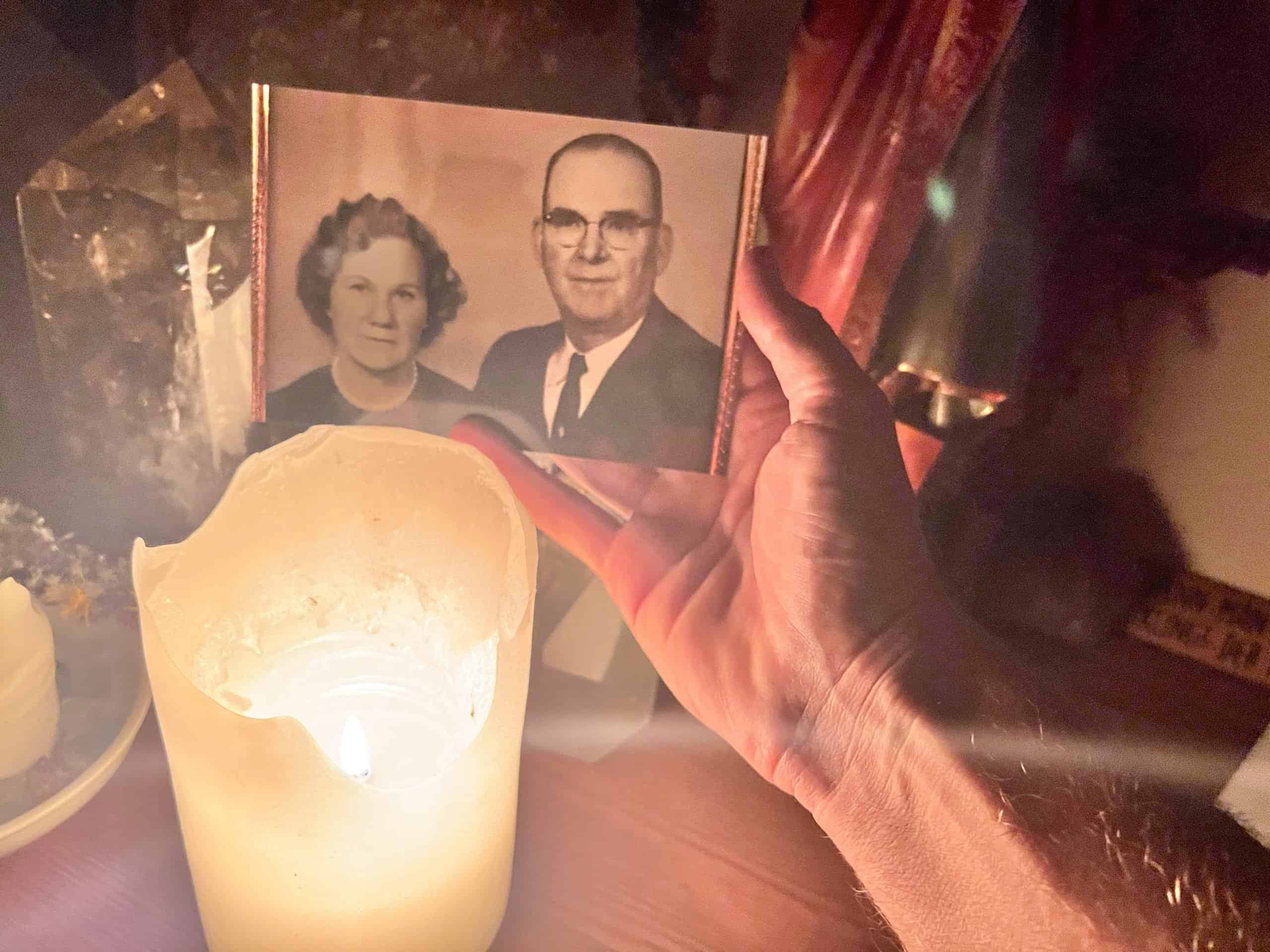
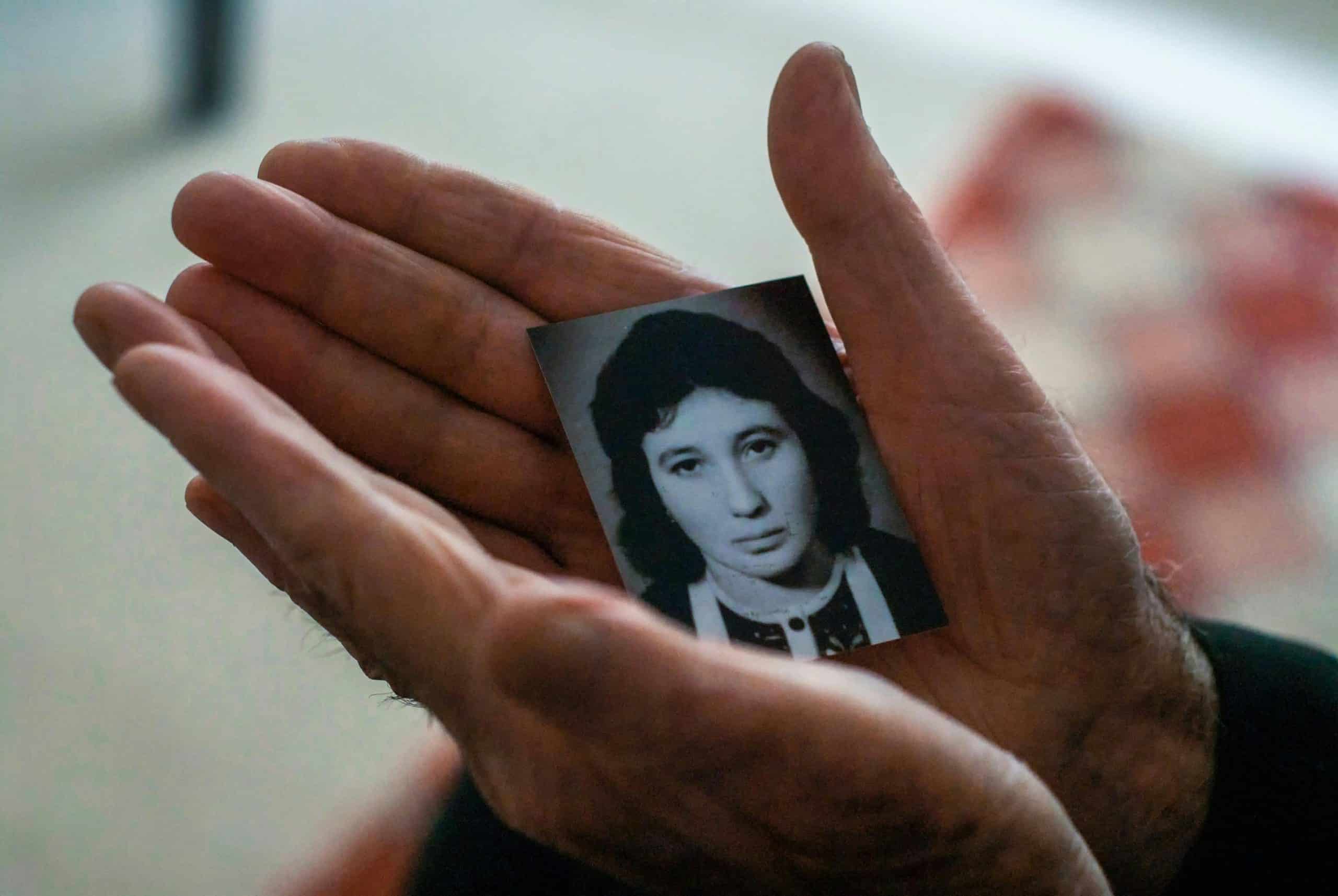
3. Offer beauty and remembrance. Offer flowers, water, bread, or honey to ancient ancestors of the land. Place photos, objects, or handmade items for family members you wish to honor. Sing, pray, or share stories that carry love and gratitude.
4. Listen and communicate. Through stillness, music, dance, or trance, open yourself to subtle communication. Speak from your heart: express your love, your need for guidance, or your wish to bring healing to the lineage. Ask if you can offer something in return — reciprocity is key.
5. Close the ritual with gratitude. If it’s not a permanent shrine, let the offerings rest overnight and then return them to nature.
6. Stay open for four days. Notice dreams, signs, and synchronicities. The ancestors often speak in symbols and timing rather than words.
As we approach the stillness of winter, may we remember that we are part of an unbroken river of life — flowing through time, body, and breath.
When we honor those who came before, we help them rest — and in doing so, we become more whole ourselves.
Heart to heart,
Darrel
Do you want to learn more?
Here’s an invitation to embark on a beautiful journey and discover a way of listening you never thought possible. Experience Dadirri – the Aboriginal Art of Deep Listening (in English).
Let nature speak to your heart in a whole new way.
>>>Hier kommst du zur deutschen Übersetzung des Blogs. (Here you can read the German Translation of this Blog.)<<<
Ich möchte immer den neuesten Blog von Darrel per E-Mail erhalten:
*Wenn Sie das Formular absenden, erklären Sie sich damit einverstanden, dass Ihre persönlichen Daten (Name, E-Mail-Adresse) zum Zweck der Zusendung eines E-Mail-Newsletters mit Informationen und Angebote von Darrel Combs ([email protected]) und weitere Themen verwendet werden. Ihre Daten werden ausschließlich zur Versendung des Newsletters verwendet und nicht an Dritte weitergegeben. Sie können Ihre Einwilligung jederzeit schriftlich widerrufen, indem Sie ein E-Mail an ([email protected]) schreiben. In jedem E-Mail-Newsletter findet sich ein Link, mit dem Sie sich ebenfalls abmelden können.